
English| EUR
Suggested for you
More currencies
Choose a language
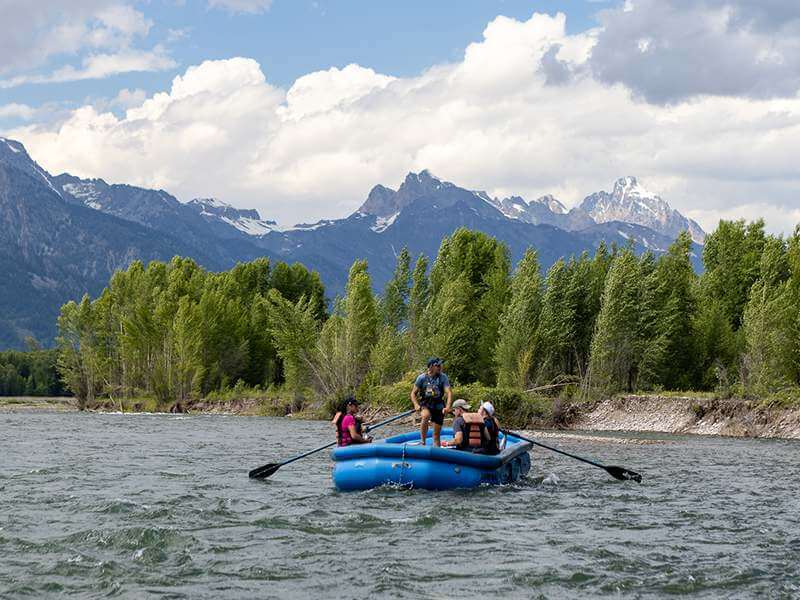
Few stretches of water in Wyoming are written about as often as the calm-water miles below Jackson Lake Dam. Reading through Snake River scenic float reviews, the same handful of themes surface again and again — light, wildlife, and the hour you push off. This page sorts the recurring signal from the one-off complaints.
Quick answer
Reviews of Snake River scenic floats skew strongly positive, with the recurring caveat that timing decides the experience. The river corridor itself carries no entrance fee at 0 USD; float operators charge separately. Visitors who arrive within the 07:30–09:00 window consistently report calmer water and better wildlife sightings than those who launch in mid-afternoon heat.
The scenic stretch most visitors float is not wilderness by accident. Flows below Jackson Lake Dam are managed for irrigation downstream in Idaho, which means the river a party floats in late August behaves differently from the same channel in June — a detail that explains why two Snake River scenic float reviews written weeks apart can describe almost different rivers. Reviewers who understand this rarely complain about water level. Those who do not, sometimes do. The second recurring theme in visitor accounts is wildlife, and it is worth being precise about what that means. Sightings along the Grand Teton National Park corridor commonly include bald eagles, osprey nesting on cottonwood snags, river otter, moose browsing the willow flats, and less often a black bear on the bank. None of it is guaranteed. What visitor write-ups do establish is a pattern: animals move at the edges of the day, and the recommended arrival window of 07:30–09:00 sits squarely inside that. Reports from midday launches lean more heavily on scenery — the Teton Range framed above the water, the Oxbow Bend reflection, the cottonwood galleries — and less on animals. A third pattern separates expectation from reality. Guest accounts of Jackson Hole float trips describe a slow, guided drift, not a rapid. Parties expecting whitewater have booked the wrong stretch of river; that experience lies south, through Snake River Canyon. Reviewers who research the difference in advance are near-uniformly satisfied. Those who did not, are the source of most one-star outliers. Read this way, Snake River scenic float reviews become a planning tool rather than a verdict. The useful move is to note which season and which hour a reviewer floated, then weigh their account accordingly. Access to the river corridor itself is free; each licensed outfitter sets its own terms, launch points and boat sizes, so comparing operator schedules matters more than comparing star ratings. The National Park Service maintains current boating guidance and permit requirements for the corridor, and outfitter availability shifts through the summer season — worth confirming before committing to a date.
“Animals move at the edges of the day, and the recommended arrival window sits squarely inside that.”
The best arrival window is 07:30–09:00, as early morning hours offer the best wildlife viewing opportunities and calmer river conditions. Selecting your visit based on the season helps manage river flow levels and regional temperatures.
Cool, snowmelt-driven water levels. Wildlife is active near the river banks during this period.
Warm days, 70–85°F. Consistent sunshine provides stable conditions for float trips.
Crisp air, 40–65°F. Fall foliage is visible and animals prepare for winter migrations.
Verdict: The best time to visit is early morning between 07:30–09:00 during the month of September to balance calm water conditions with reduced visitor volume.
The Snake River corridor is accessible daily throughout the week. Visitors should coordinate with their chosen float trip operators to confirm specific departure times within these standard operational windows.
Access to the Snake River area requires no entrance fee. Scenic float trip pricing is determined independently by private tour operators.
Verdict: While there is no entrance fee, visitors pay variable rates to private operators for scenic float services.
A scenic float on the Snake River asks for little gear, but the few things that matter — a reserved seat, layered clothing and dry-bagged valuables — are worth sorting before you leave home.
Everything you need to know about snake river scenic float reviews
Most visitors express satisfaction with the peaceful nature of these trips, often highlighting the calm water and mountain scenery. Reading through snake river scenic float reviews helps prospective travelers understand the tranquil pace of these excursions.
Many travelers note in their Jackson Hole scenic tour feedback that starting early is vital for animal sightings. Reviewers consistently point to the best arrival window of 07:30–09:00 for the best wildlife viewing opportunities and calmer river conditions.
Families frequently mention in online commentary that these floats are gentle enough for children and seniors. Because the water is smooth, many snake river scenic float reviews highlight that it provides a safe way for all ages to enjoy Grand Teton landmarks.
Travelers often distinguish between calm float trips and active whitewater adventures in their reports. While those seeking an adrenaline rush might prefer whitewater, others value the opportunity to spot bald eagles, moose, and osprey on the serene stretches of the river.
Reviewers often clarify that there is no entrance fee to access the river itself, which is 0 USD. However, they emphasize that professional tour operators set their own separate fees for guided float trips.
Feedback generally indicates that these trips provide a relaxing few hours on the water. While exact times vary by operator, the experience is designed to be a leisurely way to navigate the river corridor.
Snake River Scenic Float with Teton Views
Read more Tickets & toursSnake River Scenic Float Tour with Chairs
Read more GuideCan You Float the Snake River?
Read more Tickets & toursSnake River Scenic Float in Jackson Hole
Read more Tickets & toursGrand Teton Snake River Scenic Float
Read more